


Create Impactful Stories with Character-Based Marketing
If you want your brand to truly connect with customers, forget bland ads and generic pitches. Instead, dive into the world of character-based marketing. This approach transforms your brand’s message into compelling stories driven by relatable, memorable characters. It’s not just storytelling—it’s storytelling with a pulse, a personality, and a purpose.
Why settle for being just another name in the crowd when you can become a brand that people feel connected to? Let’s break down how you can create impactful stories that resonate, engage, and convert.
Why Character-Based Marketing Works Like Magic
Think about your favorite TV shows or books. What keeps you hooked? Characters you care about. Characters you root for. Characters who feel real. That’s the secret sauce of character-based marketing. When your brand introduces a character—whether it’s a mascot, a spokesperson, or a fictional persona—you give your audience a face and a story to latch onto.
Here’s why it works:
Emotional connection: People buy from brands they like and trust. Characters humanize your brand, making it easier to build that trust.
Memorability: A strong character sticks in the mind far longer than a logo or slogan.
Storytelling made easy: Characters naturally create narratives. You don’t have to force a story; it flows.
Versatility: Characters can evolve with your brand, adapting to new campaigns, products, or trends.
For example, think of a small organic snack brand. Instead of just listing ingredients, they create a character—say, “Nina the Nutcracker,” a fun, adventurous squirrel who loves healthy snacks. Nina’s stories about her forest adventures and snack discoveries make the brand relatable and fun. Customers don’t just buy snacks; they buy Nina’s world.

How to Build Your Brand’s Character
Creating a character isn’t about slapping a cartoon on your packaging. It’s about crafting a persona that embodies your brand’s values, voice, and vision. Here’s how to do it right:
1. Define Your Brand Personality
Is your brand playful, serious, adventurous, or nurturing? Your character should reflect this personality. For example, a luxury skincare brand might create a sophisticated, elegant character, while a kids’ toy brand might opt for a playful, energetic mascot.
2. Know Your Audience
Who are you talking to? What do they care about? Your character should resonate with your target customers’ values and lifestyle. If you’re targeting health-conscious millennials, your character might be a fitness enthusiast or a mindful foodie.
3. Create a Backstory
Characters need depth. Give your character a history, goals, and quirks. This makes them relatable and gives you endless content ideas. For instance, “Max the Mixer” could be a coffee-loving barista who’s always experimenting with new blends.
4. Visual Identity
Design your character with care. Colors, style, and expressions should align with your brand’s look and feel. Consistency is key—your character should be instantly recognizable across all platforms.
5. Voice and Tone
How does your character speak? Friendly and casual? Authoritative and knowledgeable? This voice should match your brand’s tone and be consistent in all communications.
Crafting Stories That Sell
Now that you have your character, it’s time to put them to work. Stories are your secret weapon to engage customers and drive sales. But not just any stories—impactful stories that make your audience feel something.
Use Episodic Content
Think of your character’s story as a series, not a one-off. Episodic content keeps your audience coming back for more. For example, a weekly video series featuring your character tackling common problems or sharing tips related to your product category.
Show, Don’t Tell
Instead of saying your product is great, show your character using it in real-life scenarios. This creates a vivid picture and helps customers imagine themselves in the story.
Include Conflict and Resolution
Every good story has tension. Maybe your character faces a challenge that your product helps solve. This narrative arc makes your message more compelling and memorable.
Encourage Interaction
Invite your audience to participate. Polls, contests, or user-generated content featuring your character can boost engagement and build community.
Measure and Adapt
Track how your stories perform. Which episodes get the most views, shares, or comments? Use this data to refine your storytelling and keep it fresh.
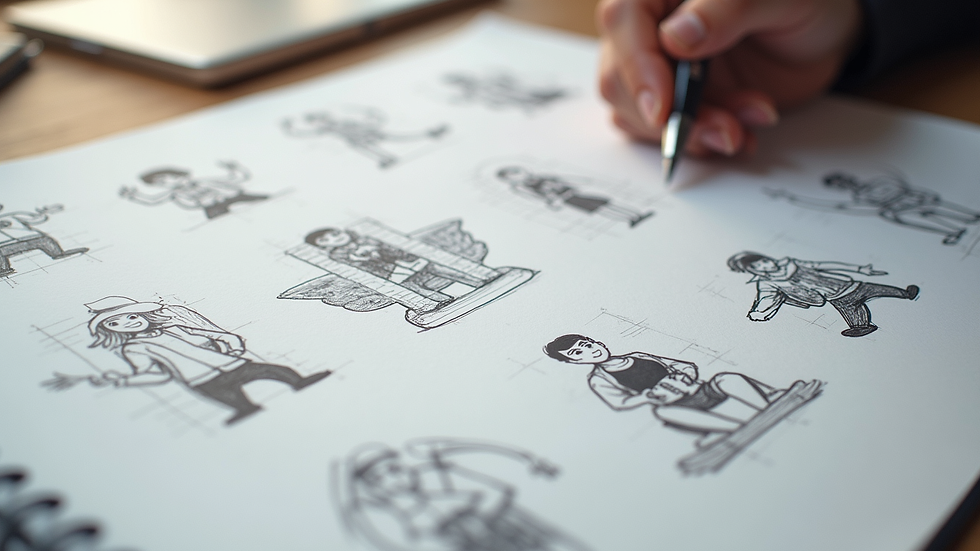
The Power of Character-Driven Storytelling
You might have heard the term character-driven storytelling tossed around, but what does it really mean for your marketing? It’s all about putting your character at the heart of the narrative. Instead of focusing solely on the product or service, you focus on the character’s journey, emotions, and growth.
This approach makes your marketing feel less like a sales pitch and more like an engaging story. It taps into human psychology—people relate to people, not products. When your character faces challenges, overcomes obstacles, or celebrates wins, your audience experiences those moments alongside them.
For CPG brands and small businesses, this means your marketing becomes a series of mini-adventures that build loyalty and trust over time. It’s not just about selling a product; it’s about inviting customers into your brand’s world.
Tips to Scale Your Character-Based Marketing Efforts
Once you’ve nailed your character and storytelling style, it’s time to scale. Here’s how to do it without losing authenticity:
Leverage multiple channels: Use social media, email newsletters, packaging, and even in-store displays to tell your character’s story.
Collaborate with influencers: Find influencers who can bring your character to life or co-create content.
Create merchandise: Branded items featuring your character can boost visibility and create additional revenue streams.
Use data-driven insights: Analyze customer feedback and engagement metrics to tweak your character’s story and keep it relevant.
Keep evolving: Characters should grow with your brand and audience. Don’t be afraid to refresh their look or storylines to stay current.
Your Next Step: Bring Your Brand to Life
Ready to stop blending in and start standing out? Character-based marketing is your ticket to creating stories that stick, characters that charm, and campaigns that convert. Remember, it’s not just about selling a product—it’s about building a relationship.
Start by brainstorming your brand’s personality and what kind of character would best represent it. Then, craft stories that showcase your character’s journey and how your product fits into that narrative. Keep it real, keep it fun, and most importantly, keep it you.
Your brand’s story is waiting to be told. Make it unforgettable.
Now go ahead—create your character, tell your story, and watch your brand come alive.



Comments